

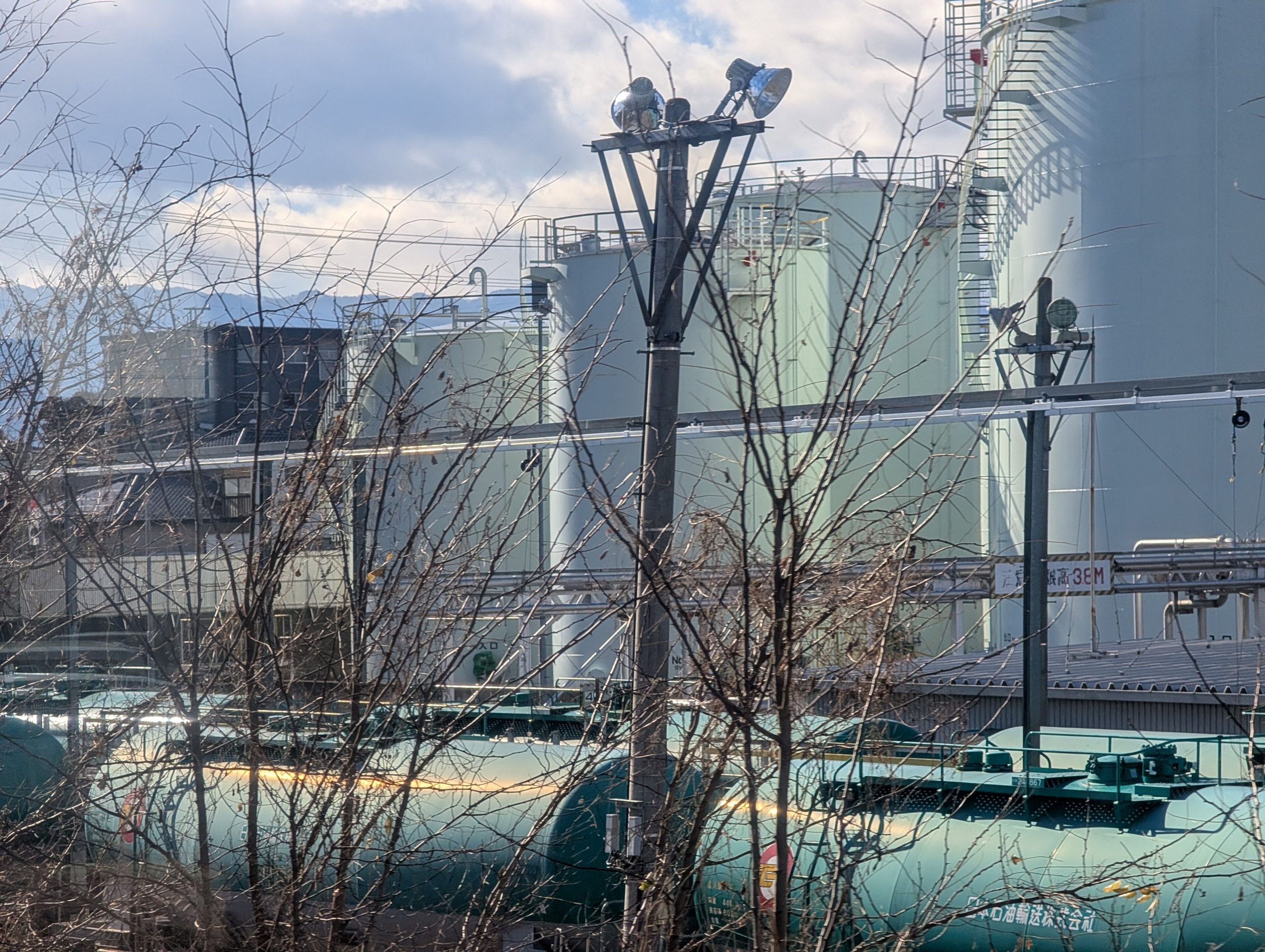
A terminal-to-depot haulage booking is straightforward when the information arrives complete. The vehicle cannot enter the terminal, load or leave without it. Here is what your forwarder needs, and why each item matters.
Product and quantity
The product name, its UN number and packing group, and the quantity per grade. The UN number decides the tank code, the placards and the driver certificate. The quantity per grade decides the compartment plan on a multi-grade tanker. If the product is new to the vehicle, say so: a cleaning certificate may be needed before loading.
Terminal details
The terminal name, the loading reference or release number from the product owner, the account the lift is charged to and any terminal access requirement for the driver. Terminals will not load without a valid release, and a driver without the terminal’s induction is turned away at the gate.
Delivery details
The delivery address, the receiving tank or site contact, the opening hours and any site rule such as bottom-discharge only, hose length or a maximum vehicle size. A depot that closes at four in the afternoon and a tanker that arrives at five is the most common avoidable failure.
Customs and excise status
Whether the product is duty-paid, under excise suspension or non-Union goods. Duty-suspended fuel needs an e-AD raised before departure. Non-Union goods need a T1. Getting this wrong triggers duty or holds the vehicle at the border.
World Logistics Services sends a one-page booking form that captures all of this. Return it complete and the vehicle is booked, documented and at the gantry on time.